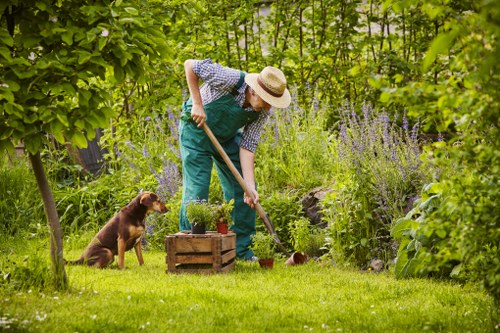
Gardener Sidcup: Recycling and Sustainability
As a Gardener Sidcup service focused on practical ecology, we design an eco-friendly waste disposal area and an efficient, sustainable rubbish gardening area that fits the local borough's approach to handling green waste. Our Sidcup gardener teams balance everyday maintenance with long-term environmental stewardship, ensuring that soil health, compost cycles and reuse practices reduce landfill burden. The goal is to combine traditional gardening knowledge with modern recycling systems so that every shred of organic matter becomes part of a closed-loop cycle.Building a greener footprint in Sidcup means understanding the local separation rules: many boroughs operate a multi-stream collection system for paper, glass, mixed plastics and organic food waste, while garden waste is often collected separately or taken to civic amenity sites. We align our crews with these systems so that Garden waste and other recyclables are sorted at source, reducing cross-contamination and improving recycling recovery rates. Gardening Sidcup practices include on-site segregated bins, clear labelling and simple workflows that match the council's expectations for kerbside and transfer station sorting.
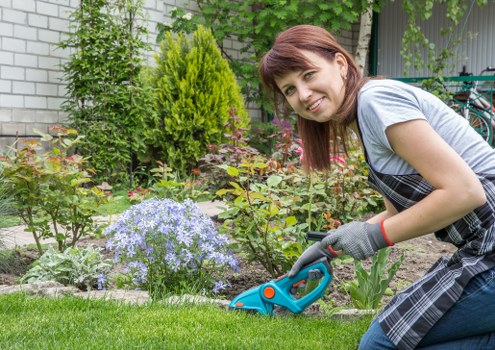 Our recycling target is ambitious and measurable: we aim for a 65% recycling rate for all garden-derived materials within the next five years, and to keep improving the percentage year-on-year. That target covers wood chippings, compostable green waste, small amounts of inert soil after sieving, and recyclable plastics and metals from pots, trays and tools. By reporting monthly collection data and comparing it to local authority figures, our Sidcup gardening teams actively contribute to borough-wide recycling statistics and help move the whole community toward more sustainable waste outcomes.
Local transfer stations and civic amenity partnerships
We work with nearby transfer stations and civic amenity sites to ensure garden rubbish is processed correctly. Local transfer facilities are crucial to diverting bulky green waste from landfill and converting trimmings into compost, biomass or mulch. Our routes coordinate with local tipping points so material is pre-sorted where possible and delivered to facilities specialising in composting, chipping, or reuse. This reduces double-handling and keeps transport carbon lower across the lifecycle. Fleet management is a key pillar of our sustainability plan. Our Sidcup gardener fleet includes low-carbon vans and smaller electric vehicles where practical. We use hybrid and fully electric vans for short urban jobs, and when tight access prevents vans, we deploy cargo bikes and trailers to move collected green waste. These vehicles significantly cut emissions from collection and bring a quieter, cleaner presence to neighbourhoods. Low-carbon vans and EV chargers at our depots are part of a phased move to carbon-neutral operations.
Partnerships with charities and reuse networks are essential. We collaborate with local community re-use centres, charity shops and social enterprises that accept pots, garden furniture, tools and surplus soil or mulch. By connecting donations to charities, schools and community gardens, materials find new life instead of being discarded. Our network includes local volunteering groups and food redistribution schemes that welcome properly sorted organic material for composting projects and allotment support.
Designing an eco-friendly waste disposal area on-site
Creating a durable, efficient site begins with layout and signage. A good eco-friendly waste disposal area should include separate, clearly marked containers for:- Green garden waste (grass, leaves, prunings)
- Wood and bulky woody material for chipping
- Clean soil and inert materials for reuse
- Recyclable plastics and metal from pots and packaging
These elements make disposal straightforward for gardeners and clients, and they reflect common borough approaches to waste separation — food and garden organics collected separately from dry recycling and residual waste. Clear on-site separation improves capture rates and reduces contamination, which is critical to meeting our recycling percentage target.
 Operational best practices for a sustainable rubbish gardening area include routine staff training, frequent audit checks, and simple visual cues for sorting. We emphasise reuse first: salvaging paving, pots and decorative stone where possible; secondly repair; and finally recycling. Certified composting partners transform green waste into usable soil improvers that return nutrients to the urban landscape, closing the loop between removal and garden rejuvenation. Our Sidcup gardener crews keep logs of reused items and diverted tonnes to monitor impact.
 Community engagement complements operations. Through collaborative initiatives with parish groups and local sustainability projects, Gardener Sidcup promotes small-scale compost hubs and shared mulch piles, which keep transport emissions down and build local soil resilience. We regularly share aggregated recycling performance so communities can see progress toward the 65% recycling target. Whether you are a homeowner seeking a cleaner garden waste solution or a local organiser coordinating a communal green waste day, our approach integrates low-carbon logistics, charity partnerships and borough-aligned waste separation to deliver measurable environmental benefits.
In summary, our model for Sidcup emphasises practical, replicable actions: segregate at source, partner with transfer stations and charities, adopt low-carbon vans and electric alternatives, and set clear, ambitious recycling percentage targets. As a Sidcup gardener or a resident using local gardening services, you can expect transparent reporting, responsible disposal, and an ongoing commitment to reducing landfill through sustainable gardening waste management.
Gardener in Sidcup services that prioritise these principles not only make gardens healthier — they help create a more resilient, circular local economy. By integrating borough recycling systems, collaborating with civic transfer points, and delivering sorted, reusable materials to charity and composting partners, the entire neighbourhood benefits: cleaner streets, richer soil and a lower carbon footprint.
Adopt these practices for your garden projects and support a healthier Sidcup: reduced waste, stronger reuse links, and a greener future from every lawn, hedge and flower bed maintained by an environmentally aware Gardener Sidcup team.