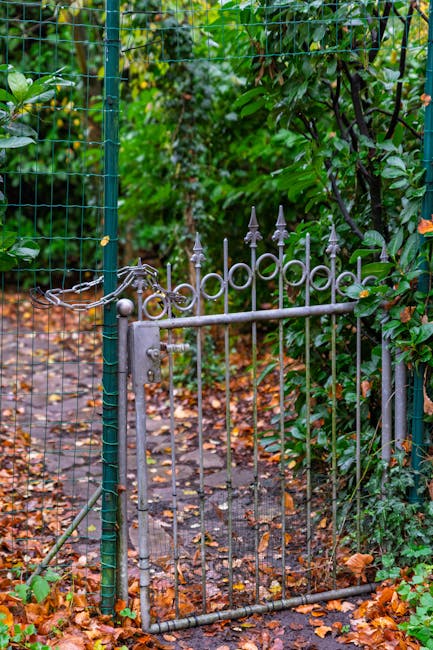
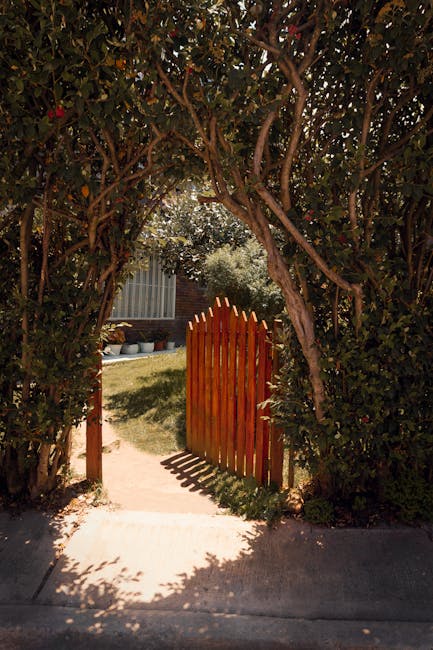
Sidcup garden fencing access problems solved by gardeners
If you have ever looked at a broken side gate, a cramped rear garden, or a fence panel that seems impossible to get through without damaging the beds, you already know the problem. Sidcup garden fencing access problems solved by gardeners is really about one thing: making awkward outdoor spaces workable again. Not just for the fencing job itself, but for the garden around it too.
In Sidcup, a lot of gardens have tight passages, shared side access, narrow alleys, established planting, sheds tucked into corners, and older layouts that were never designed for easy maintenance. That can turn a simple fence repair into a bit of a puzzle. The good news? A skilled gardener does more than "fit fencing". They clear access, protect the garden, organise the work area, and often solve the small practical headaches that make the whole job feel bigger than it should. This guide walks through how that works, who needs it, and what to expect in the real world.
One quick note: when access is poor, the right approach is usually careful planning rather than brute force. That sounds obvious, but it saves time, money, and a lot of unpleasant surprises.
Table of Contents
- Why access problems matter in Sidcup gardens
- How gardeners solve fencing access issues
- Key benefits and practical advantages
- Who this is for and when it makes sense
- Step-by-step guidance
- Expert tips for better results
- Common mistakes to avoid
- Tools, resources and recommendations
- Law, compliance, standards, or best practice
- Options, methods, or comparison table
- Case study or real-world example
- Practical checklist
- Conclusion
- Frequently asked questions
Why Sidcup garden fencing access problems solved by gardeners Matters
Access sounds like a small issue until you are the one trying to carry fence panels, posts, gravel boards, tools, or even a wheelbarrow through a narrow route with wet grass underfoot. Then it becomes the whole job. In older Sidcup properties, especially those with side returns, tight rear paths, or split-level gardens, fencing work can be slowed down by something as simple as a badly positioned gate or an overgrown boundary.
When gardeners address access problems properly, they reduce the risk of damage to the lawn, borders, paving, and sheds. They also make it easier for fencing materials to move safely from front to back, which matters more than people think. A lot of frustration comes from trying to force the job through an unsuitable route. That is where smart preparation pays off.
There is also a comfort factor. Let's face it, nobody wants builders or gardeners tramping mud through the house because the back garden can only be reached one awkward step at a time. If the access issue is handled early, the whole process feels calmer and more controlled.
For homeowners who already use regular garden maintenance, the fencing job often goes more smoothly because paths are kept clear, hedges are trimmed back, and overgrowth does not choke the route in the first place. That little bit of routine care makes a bigger difference than people expect.
How Sidcup garden fencing access problems solved by gardeners Works
The process is usually practical rather than dramatic. A gardener starts by looking at how people and materials can actually move through the space. Then they remove obstacles, reshape temporary access where needed, and make sure the fence installation or repair can happen without needless disruption.
Typical access challenges gardeners deal with
- Overgrown hedges narrowing a side passage
- Locked or damaged gates that cannot take larger items through
- Steep steps, uneven paving, or slippery paths
- Raised beds or borders blocking a straight route
- Old fencing or debris sitting in the way of new work
- Narrow shared access where neighbours need to be considered
Sometimes the answer is as simple as cutting back a hedge and clearing a path. In other cases, the gardener may dismantle old fencing in sections so nothing oversized has to be squeezed through a tight gap. That is often the sane option, truth be told.
If the garden has become cluttered with branches, old compost sacks, broken pots, and general debris, a targeted garden clearance can open up the route before any fencing work begins. It is one of those unglamorous steps that makes the rest of the job feel almost easy.
In more complex layouts, the gardener may also coordinate with wider outdoor improvements. For example, if the fencing sits alongside a worn patio edge, or if the route into the rear garden is part of a larger redesign, a broader landscaping plan can help solve access and presentation at the same time.
Key Benefits and Practical Advantages
Solving fencing access problems is not just about convenience. It changes the quality of the whole project.
- Less damage to the garden - fewer crushed plants, torn turf, and scuffed paving.
- Safer handling of materials - less lifting through awkward gaps and fewer trip hazards.
- Faster work - once access is clear, the job moves much more efficiently.
- Cleaner finish - materials can be positioned more accurately, which usually means tidier results.
- Better planning - the gardener can work in sections rather than improvising halfway through.
- Lower stress - and that is no small thing when your garden feels like a chessboard of obstacles.
Another benefit is that access improvements often help beyond the fencing job itself. Once a route is cleared and the boundaries are easier to reach, future upkeep becomes simpler too. Cutting grass, trimming hedges, or carrying out occasional repairs becomes less of a faff.
That is why some homeowners choose to pair fencing work with services like hedge trimming or lawn mowing. It keeps the route usable and stops the access problem from returning a few weeks later.
Who This Is For and When It Makes Sense
This kind of help is ideal if your garden has a practical barrier between "where the work needs to happen" and "how anyone gets there". It is especially useful for:
- Homeowners with narrow side access
- Properties with mature planting close to boundaries
- Older homes with compact rear gardens
- Landlords preparing a property for letting or inspection
- Families who want to repair fencing without wrecking the garden
- Anyone combining fencing with general tidy-up work
It also makes sense if the fencing issue is part of a bigger reset after a long period of neglect. A garden that has become overgrown can hide the real access route entirely. In those cases, a combination of access clearing, maintenance, and fence work is far more sensible than trying to force a one-off repair through dense growth.
If your space is already being refreshed, the same team may be able to help with wider improvements through services overview planning, especially where access, clearance, and layout all affect one another. The point is to make the garden work as a whole, not just patch one corner and hope for the best.
Step-by-Step Guidance
Here is a straightforward way gardeners usually tackle fencing access problems in Sidcup gardens.
- Assess the route. Measure the narrowest points, check gate widths, and note anything that blocks movement.
- Identify obstacles. Look for overgrown shrubs, bins, stored items, old fence sections, or low branches.
- Plan material movement. Decide whether fence panels, posts, and tools can travel through the garden as they are, or whether sections need to be broken down first.
- Clear and protect the area. Move fragile pots, cover nearby planting if needed, and define a safe working strip.
- Create temporary access. This may involve trimming growth, removing debris, or opening a passage just long enough for the work.
- Carry out the fencing work. With a clear route, installation or repair is usually much neater and less disruptive.
- Reinstate the garden. Sweep up, re-set edges, replant disturbed areas, and make sure the access route is no longer blocked.
A good gardener will also think about the sequence. Sometimes the fence should not go in first; sometimes it should. That depends on whether the route is needed for loading, removal, or both. Small judgement call, but it matters.
If access is compromised by branch spread from nearby trees, a careful tree lopping and removal assessment may also be part of the solution. Not every branch needs removing, of course, but sometimes a little canopy reduction makes a long-term difference.
Expert Tips for Better Results
These are the kinds of small decisions that separate a smooth job from a messy one.
- Measure before lifting. Sounds basic, but people often guess. Guessing is expensive.
- Trim access routes early. A hedge cut two days before the work is better than one done during the job.
- Keep one clean pathway. Even if the rest of the garden is busy, preserve a single reliable route.
- Protect soft ground. Boards or coverings can stop repeated foot traffic from ruining the lawn.
- Work from the easiest point first. You often get a better result by opening up the route before touching the fence itself.
- Think about the next season. If a fence line is hard to reach now, it will be hard to maintain later too.
One practical observation from real jobs: if a side passage feels tight in dry weather, it will feel twice as tight after rain. Wet boots, muddy tools, and a slightly overgrown path make everything seem narrower. You notice it fast.
For ongoing upkeep, keeping boundaries tidy through garden maintenance is often the easiest way to stop access issues returning. It is far cheaper to keep a route open than to reopen one from scratch.
Common Mistakes to Avoid
Access problems are often made worse by a few predictable mistakes.
- Ignoring the route until the day of the work. That usually leads to delays and extra handling.
- Trying to force oversized materials through a narrow gap. This is how damage happens.
- Cutting back plants too late. If growth is dense, access needs to be planned, not improvised.
- Not checking neighbour boundaries. Shared access can be fine, but it should be handled with courtesy.
- Leaving old fence debris in place. If you do not clear the old section properly, the new work gets awkward fast.
- Underestimating slope or drainage. A path that looks fine can become slippery and unsafe in damp conditions.
To be fair, a lot of these mistakes happen because people assume fencing is a standalone task. It rarely is. The access route, the garden layout, the old boundary, and the storage of materials all matter together.
If the whole space needs a reset before fencing starts, professional garden clearance is usually the safer place to begin. It creates a workable canvas rather than asking everyone to work around a mess.
Tools, Resources and Recommendations
You do not need a huge kit to solve access issues, but the right tools make a real difference.
| Tool or resource | Why it helps | Typical use |
|---|---|---|
| Hand shears or hedge trimmers | Open narrow passages without damaging nearby planting | Trimming overgrowth near side access |
| Wheelbarrow or garden trolley | Moves cuttings and waste in fewer trips | Clearing debris and old fencing |
| Protective boards | Reduces wear on lawns and soft paths | Material movement across vulnerable areas |
| Measuring tape | Prevents guesswork | Checking panel widths, gate clearance, and turning space |
| Tarpaulin or sheet covers | Helps keep mud and soil under control | Protecting nearby beds and surfaces |
As a practical recommendation, do not overcomplicate things. The best access plan is often the one that removes the fewest obstacles while protecting the rest of the garden. Simple beats clever when the space is tight.
If you want to understand what a broader service package may include, take a look at landscape gardening. That is often the right context when fencing access needs sit inside a larger garden improvement plan.
Law, Compliance, Standards, or Best Practice
For domestic fencing work, the key issue is usually not a long list of complex rules, but basic good practice. That includes respecting property boundaries, avoiding unnecessary damage, and keeping work areas reasonably safe for the people involved.
Where shared access or neighbouring land is involved, it is sensible to communicate clearly before work starts. If a passage crosses or brushes another person's space, courtesy matters. It also reduces the chance of misunderstandings later on, which is always worth avoiding.
From a safety perspective, reputable gardeners and landscapers should work in line with sensible site practices: stable footing, careful handling of sharp materials, tidy storage of tools, and controlled movement through narrow spaces. If the project involves lifting heavy panels, awkward cuts, or uneven ground, those risks need to be managed rather than shrugged off.
It is also wise to check that anyone carrying out the work has appropriate safeguards in place. If you want to know more about how a business approaches this side of the work, the pages on health and safety policy and insurance and safety can help set expectations. That does not make the job over-formal. It just means nobody is making it up as they go along.
Where waste is removed, responsible disposal is part of best practice too. Old timber, soil, and general green waste should be handled carefully, and a sustainability-minded approach is always a plus. For a sense of that wider commitment, see recycling and sustainability.
Options, Methods, or Comparison Table
There is no single fix for every access problem. The right method depends on how tight the route is and what needs to move through it.
| Method | Best for | Trade-off |
|---|---|---|
| Trim and clear access only | Light obstruction, slightly overgrown routes | Fast and low disruption, but may not solve structural bottlenecks |
| Sectional removal of old fencing | Narrow passages where full panels will not pass through | Takes longer, but avoids forcing materials through tight gaps |
| Garden clearance first | Heavily cluttered or neglected spaces | More upfront work, but better overall result |
| Combined fencing and landscaping approach | Access issues tied to layout problems | More planning required, but usually the neatest long-term answer |
A simple example: if a rear gate is fine but the side path is choked with bramble and old sleepers, trimming alone may not be enough. If the whole route is compromised, you will likely need clearance plus a bit of layout thinking. That is where experienced gardeners add real value.
And yes, sometimes the least dramatic option is best. People often want a grand fix when the garden really just needs a sensible clear-out and a bit of patience.
Case Study or Real-World Example
Here is a realistic example based on the kind of job that comes up often in Sidcup. A homeowner had an ageing fence at the back of the garden, but the only route to it was through a narrow side passage bordered by a mature hedge and a cluster of pots, bins, and stacked timber. The existing fence panels were too bulky to carry through cleanly, and the space felt awkward enough that the owner had put the repair off for months.
The solution was not complicated, just careful. The gardener first cleared the route, cut back the hedge enough to create working space, moved the loose items out of the way, and removed the old fence in manageable sections. Once the access line was open, the new fencing could be fitted without scraping the wall or flattening the planting. The garden looked less chaotic, the job was completed tidily, and the owner could actually get to the fence line again afterwards.
What changed most was not just the fencing. The space itself became easier to live with. The side path stopped feeling like an obstacle course, which is a small thing until you have carried bags of compost through it three times in a week.
Practical Checklist
Use this checklist before starting any fencing job where access is tight.
- Measure the narrowest point of the route
- Check gate width and opening direction
- Identify overgrowth that blocks movement
- Remove clutter, pots, and loose materials
- Decide whether old fencing must come out in sections
- Protect lawns, beds, and paving from repeated traffic
- Confirm where waste will be stacked or removed
- Think about weather, especially wet ground
- Check whether the route is shared with a neighbour
- Plan how the garden will be restored afterwards
If you can tick most of those off before work starts, you are already ahead of the game.
For gardens that need a broader refresh at the same time, services overview can help you see how fencing access, tidy-up work, and wider garden improvements may fit together.
Conclusion
Sidcup garden fencing access problems solved by gardeners is really about turning an awkward, frustrating garden into a space that can be worked on properly. The best results usually come from a calm, practical approach: clear the route, protect the garden, move materials sensibly, and fix the root cause rather than just pushing through it.
That approach saves time, reduces damage, and gives you a neater, longer-lasting result. It also makes the garden easier to maintain afterwards, which matters just as much as the fence itself. A tight space does not have to stay difficult forever. With the right planning, it can become simple enough to live with, and that is a very good feeling on a damp Sidcup afternoon when the job is finally done.
Get a free quote today and see how much you can save.
If you want the work handled with care, clarity, and a properly thought-out approach, the best next step is to speak with a local team that understands both fencing access and the garden around it. That is where the real difference tends to show.
Frequently Asked Questions
Why is fencing access such a common problem in Sidcup gardens?
Many Sidcup gardens have narrow side passages, mature planting, older layouts, or limited rear access. Those features make it hard to move fence panels and tools through the space without planning.
Can a gardener really solve access issues before fencing starts?
Yes. A gardener can trim growth, clear clutter, remove old sections in stages, and prepare a safer route so the fencing work can proceed without unnecessary disruption.
Do I need garden clearance before fence repairs?
Not always, but if the route is blocked by waste, old timber, broken pots, or overgrowth, clearance is often the sensible first step. It tends to make the job quicker and tidier.
What if the fence panels will not fit through the side passage?
Then the fence may need to be dismantled or installed in sections, or materials may need to be brought through a different route. A good gardener will work out the least disruptive option.
Will access work damage my lawn or borders?
It can if handled badly, which is why protection matters. Boards, careful routing, and sensible staging help reduce damage to soft ground and planting.
Is it better to trim hedges before or after fencing work?
Usually before, if the hedge is reducing access. A trimmed route gives better working space and can prevent branches from getting in the way during installation.
Can access problems be solved without removing plants?
Often yes. Many access issues can be handled by trimming, shaping, and creating a clear working corridor rather than removing healthy planting. Sometimes a small adjustment is enough.
How long does it take to fix access before fencing?
It depends on the condition of the garden. A simple trim and tidy may take little time, while a heavily cluttered or overgrown space can need a more involved clearance stage.
Do I need to speak to neighbours if access is shared?
If the route uses shared access or comes close to a neighbour's boundary, yes, it is wise to communicate early and keep things courteous. It avoids confusion and keeps the job smoother.
What should I ask a gardener before booking fencing access work?
Ask how they will assess the route, whether they can clear overgrowth first, how waste will be handled, and whether they can combine the access work with other garden tasks if needed.
Can fencing access problems be combined with regular garden maintenance?
Absolutely. In fact, that is often the smartest approach because it keeps the route usable and stops the same blockage from returning after the fence is done.
What is the main mistake homeowners make with awkward fencing access?
The biggest mistake is leaving the access problem until the day of the job. Once the work is booked, there is less room to improvise, and that is when damage and delay tend to creep in.