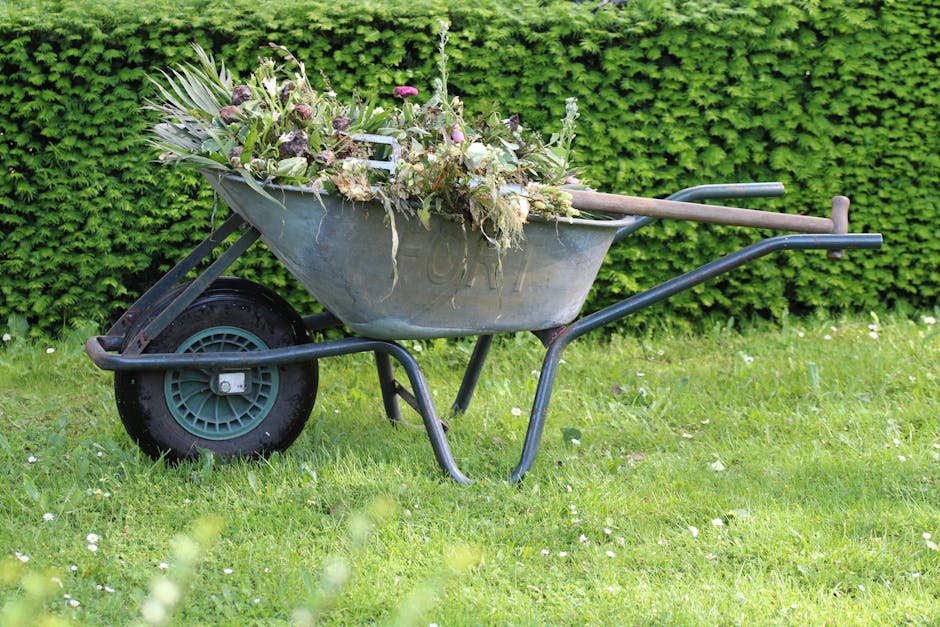
Emergency gardeners Sidcup same day response
If your garden has suddenly gone from manageable to mayhem, you are not alone. A fallen branch, storm debris, an overgrown hedge blocking access, or a lawn left in a rough state before a viewing can turn into a proper headache fast. That is where Emergency gardeners Sidcup same day response becomes genuinely useful: quick, local help for problems that need attention today, not next week.
This guide explains what same-day emergency gardening actually covers, how the process usually works, what to expect on arrival, and how to decide whether a fast response is the right move. You will also find practical tips, common mistakes to avoid, and a clear checklist for acting quickly without making the situation worse. Truth be told, when the wind has done its worst or a garden has been left to run away a bit, speed matters - but so does calm judgement.
Table of Contents
- Why Emergency gardeners Sidcup same day response Matters
- How Emergency gardeners Sidcup same day response Works
- Key Benefits and Practical Advantages
- Who This Is For and When It Makes Sense
- Step-by-Step Guidance
- Expert Tips for Better Results
- Common Mistakes to Avoid
- Tools, Resources and Recommendations
- Law, Compliance, Standards, or Best Practice
- Options, Methods, or Comparison Table
- Case Study or Real-World Example
- Practical Checklist
- Conclusion
- Frequently Asked Questions
Why Emergency gardeners Sidcup same day response Matters
Garden emergencies rarely feel dramatic at first. A hedge sags after high winds. A tree limb drops across a driveway. A front garden becomes too messy for visitors, tenants, or deliveries. Then suddenly the issue is blocking access, creating a safety hazard, or making the property look untidy at exactly the wrong moment.
In Sidcup, same-day help matters because many urgent garden problems are time-sensitive. Wet weather can make debris heavier and harder to move. A broken fence line can get worse overnight. Overgrown shrubs can hide pathways, making a simple trip to the bin feel awkward or unsafe. Sometimes the issue is visual, sometimes practical, and sometimes both. It's funny how quickly a "small job" stops being small once the light fades and the rain starts tapping on the patio.
Fast response also helps reduce knock-on damage. For example, leaving snapped branches on turf can flatten the grass underneath. Leaving blocked gutters, paths, or drains around a garden edge can create more mess. And leaving a dangerous tree or unstable structure unattended is never wise. If the job looks bigger than a tidy-up, it may need proper garden clearance or even tree lopping and removal rather than a quick sweep and bag job.
There is another reason this service matters: peace of mind. When you know someone can come out on the same day, you stop improvising with a rake, a pair of tired gloves, and a vague hope that the wind will just sort itself out. It won't, by the way.
How Emergency gardeners Sidcup same day response Works
Same-day emergency gardening is usually designed to be simple. You report the issue, explain what has happened, and a gardener assesses whether the task can be attended to immediately or later that day. The exact response time depends on workload, travel distance, weather, and the size of the job, so it is best to think in terms of availability rather than a fixed promise.
The process often looks like this:
- You describe the problem clearly. Mention whether access is blocked, if there is storm damage, whether anything is broken, and if there are safety concerns.
- The job is prioritised. An urgent access issue or dangerous obstruction will usually be treated differently from a general tidy-up.
- The team arrives with the right tools. For emergency work, that may include cutting tools, rakes, tarps, clearing equipment, and bags or containers for safe removal.
- The immediate risk is dealt with first. The focus is often on making the area safe and usable before moving on to finer finishing.
- Anything beyond the urgent task is discussed. If the garden needs follow-up work, you can then plan that separately.
That last point matters more than people expect. Emergency work is about stabilising the situation, not necessarily perfecting every border and edge. If a gardener spends too long trying to make an emergency job look like a full redesign, the quick response gets lost. Sometimes good enough today is exactly what you need.
For a broader view of the kinds of work that may follow an urgent visit, it can help to look at the full services overview and routine garden maintenance once the immediate issue has been handled.
Key Benefits and Practical Advantages
The biggest benefit is obvious: speed. But the real value of same-day garden support goes deeper than that. A well-handled emergency response can save time, reduce stress, and prevent a temporary mess from becoming a larger repair bill later on.
- Faster safety clearance. Blocked access, hanging branches, or slippery debris can be dealt with before they create more trouble.
- Less property damage. Clearing storm debris quickly can protect lawns, beds, paths, and hard landscaping.
- Better presentation. If you are expecting guests, tenants, buyers, or a contractor, a quick tidy can make a real difference.
- Less strain on you. A rake and a wheelbarrow are fine for a Saturday morning; not so great when you are already behind schedule or dealing with an urgent problem.
- More sensible next-step planning. Once the emergency is controlled, you can decide whether a one-off fix, hedge cut, mow, or clearance is the right follow-up.
There is also a mental benefit that gets overlooked. A clean, safe outside space feels calmer. You notice it the moment the mess is gone: the path looks wider, the air feels less cluttered, and the place just settles. Small thing, maybe. Still matters.
If your issue came from overgrowth rather than damage, a same-day visit may also be a useful bridge into hedge trimming, lawn mowing, or a more substantial garden clearance once the urgent bit is under control.
Who This Is For and When It Makes Sense
This service is not only for dramatic storm damage. In practice, it helps anyone who needs outdoor work dealt with quickly and safely. That might be a homeowner, landlord, letting agent, business owner, or someone managing a property with very little spare time.
Common situations include:
- branches or debris blocking paths, gates, or parking access
- hedges or shrubs flopping into the pavement after bad weather
- unsafe-looking trees or limbs that need prompt attention
- front gardens that need a fast tidy before a valuation or inspection
- overgrown sections that are attracting complaints from neighbours
- bramble, ivy, or vegetation taking over a boundary or doorway
- post-party, post-tenancy, or post-project garden mess that needs clearing quickly
Sometimes the question is not, "Do I need a gardener?" It is, "How much worse will this get if I leave it until tomorrow?" That is a very different question. If the answer is "probably a lot," then a same-day response begins to make real sense.
For more complex outdoor issues, the job may move beyond simple tidying. If the garden is heavily cluttered or full of waste, you may need a combination of urgent clearance and longer-term work, especially if old structures or timber features are involved. In those cases, services such as landscaping or even decking services might be discussed later, after the immediate pressure has passed.
Step-by-Step Guidance
If you want the fastest and cleanest result, it helps to think like a dispatcher for a moment. The clearer the picture, the better the response.
1. Identify the urgent issue
Start with the most important question: what is actually urgent? Is it a safety hazard, blocked access, or simply a garden that looks rough? Be specific. "Tree branch across the drive" is far more helpful than "garden problem."
2. Note what is visible and what is not
If you can safely check, look at the size of the debris, the access route, and whether anything is leaning, cracking, or pinned down. Do not climb, lift, or cut anything unstable. Seriously, don't improvise with a wobbly branch and a household ladder. That is how a manageable problem becomes a bad afternoon.
3. Make access easy if possible
Unlock gates, move cars only if it is safe, and clear a small path if you can do so without going near the hazard. A gardener can work much quicker when they can get tools and waste out without playing obstacle course.
4. Ask what the same-day visit can realistically achieve
The answer may be a safe clearance, a cut-back, a mow, a tidy, or a partial dismantling of the problem area. Emergency response is often about the first phase of recovery rather than the complete solution. That is fine. In fact, that is usually the sensible way to handle it.
5. Confirm any follow-up work
If the situation reveals a larger issue, ask what happens next. You might need a second visit for finishing, scheduled maintenance, or a more structural repair. This is where a broader service plan starts to help, especially if the garden has been neglected for a while.
6. Make notes after the visit
Once the urgent issue is handled, write down what was done and what still needs attention. That one small habit can save a lot of confusion later on, particularly for landlords, managing agents, or busy households.
To keep the process smooth, it is worth reviewing pricing and quotes alongside insurance and safety expectations before agreeing to any urgent work. Even when time is short, clarity helps.
Expert Tips for Better Results
A same-day response works best when the urgent task is matched to the right method. Here are a few practical tips that make a real difference in the field.
- Send photos if you can. A quick image often helps a gardener prepare the right tools and avoid wasted time.
- Describe the access conditions. Narrow side passage? Locked rear gate? Steep path? Mention it early.
- Prioritise safety over appearance. If the issue is hazardous, ask for hazard removal first and cosmetic tidying second.
- Be honest about the size of the mess. It is better to over-brief than under-brief. Nobody minds hearing "this may be bigger than it looks" - because, well, it usually is.
- Plan the follow-up while the site is fresh. Once the debris is gone, it is much easier to see what maintenance or improvement work should happen next.
One more thing. If the issue happened after a run of wet weather, expect slower movement on grass, slippery paving, and heavier waste. A gardener who understands that will work differently from someone treating the job like a dry summer tidy-up. The difference shows.
Where the garden needs a more regular reset after the emergency is handled, a sensible next step may be ongoing care through garden maintenance. That keeps the next surprise from being quite so surprising.
Common Mistakes to Avoid
People often make the same errors when they are stressed and trying to fix a garden issue fast. They are understandable mistakes, but they can make the job harder.
- Waiting too long. A branch that looks "mostly fine" can become a bigger risk after wind or rain.
- Trying to do dangerous work yourself. Tree limbs, unstable fencing, and heavy waste can injure you quickly.
- Giving vague instructions. "It's a bit messy" does not help when someone needs to prioritise.
- Assuming all gardeners handle emergencies the same way. Same-day response is not identical everywhere; response style, scope, and timing can vary.
- Ignoring follow-up needs. If the immediate issue is cleared but the underlying cause remains, the problem may come back.
- Forgetting access and parking. Small practical details can save 20 minutes or more, which matters on a busy day.
And yes, one more common mistake: treating an emergency tidy like a full landscape redesign. That is not the moment for choosing decorative finishes or debating edging styles. First make it safe. Then, if needed, think bigger.
Tools, Resources and Recommendations
For urgent garden work, the right tools are about efficiency and safety rather than flashiness. A well-prepared team may use pruning tools, heavy-duty gloves, rakes, sacks, tarps, wheelbarrows, cutting equipment, and protective gear depending on the task.
From a homeowner's point of view, the most useful "resources" are often simple:
- a few photos of the problem from different angles
- clear gate or access instructions
- a note about pets, children, or vulnerable areas
- details about any recent weather damage
- the property layout, if the rear garden is hard to reach
It also helps to know which follow-on services might be relevant if the emergency reveals a larger maintenance issue. For example, if the front boundary is overgrown and blocking visibility, hedge trimming may be the practical next step. If the entire outdoor space is cluttered, garden clearance can reset the space before a more detailed plan is made.
For people comparing options, the services overview is useful because it shows how emergency work can fit alongside more routine care. And if environmental handling matters to you, it is worth reading about recycling and sustainability so cleared waste is managed responsibly where possible.
Law, Compliance, Standards, or Best Practice
Emergency garden work is practical first and regulatory second, but there are still sensible standards to keep in mind. In the UK, safe working practices matter, especially where cutting tools, ladders, unstable trees, or heavy debris are involved. A reputable gardener should work carefully, communicate limits clearly, and avoid unnecessary risk.
If tree work is involved, extra caution is sensible because overhanging limbs, decayed sections, and unstable trunks can be hazardous. In real life, the safest approach is often to make the area secure and then assess what further action is appropriate. That may sound cautious. It is meant to be.
For property owners and managers, a few best-practice points are worth remembering:
- Make sure the issue is described accurately and promptly.
- Ask how the urgent task will be made safe before cosmetic finishing begins.
- Check that waste removal and disposal are understood in advance.
- Keep records of urgent work if you are responsible for a rental, commercial, or shared property.
- Do not ask anyone to take risks with unstable trees, broken structures, or inaccessible spaces.
It is also sensible to check business policies that affect the experience, such as health and safety policy, payment and security, and terms and conditions. These pages help set expectations before work begins, which is especially helpful in urgent situations when nobody wants confusion.
If you want to understand the company background before booking, about us is also worth a look. Trust is built from the small stuff, not just the sales pitch.
Options, Methods, or Comparison Table
Not every urgent garden problem needs the same solution. A quick comparison helps match the method to the problem.
| Situation | Best Immediate Response | Why It Works | Possible Follow-Up |
|---|---|---|---|
| Storm debris on a path | Rapid clearance and safe stacking/removal | Restores access quickly | Inspect lawn or borders for damage |
| Overgrown hedge blocking entry | Targeted hedge cut-back | Improves access and visibility | Full hedge shaping or maintenance |
| Fallen branch from a tree | Hazard removal and site tidy | Reduces immediate risk | Tree assessment or removal if needed |
| Neglected front garden before a visit | Fast mow, sweep, and tidy | Creates a presentable first impression | Routine lawn care or clearance |
| Dense weeds and brambles around access points | Clearance and cut-back | Opens up the route and improves safety | Longer-term landscaping or maintenance |
In practice, the best option is usually the one that removes the immediate problem without overcomplicating the job. A fast, neat fix today is often better than an over-ambitious plan that never gets finished.
Case Study or Real-World Example
Picture a late afternoon call after a windy spell. A side path is partly blocked by branches and leaf litter, and the back gate is sticking because overgrown shrubs have shifted into the opening. The homeowner is expecting family the next morning. Nothing dramatic, but plenty stressful. You can hear the frustration in their voice before they've even finished the first sentence.
In a situation like that, the same-day response would normally focus on three things: clearing the access route, removing the loose debris, and cutting back the growth that is physically causing the issue. Once the path is safe and usable again, the gardener can assess whether the shrubs simply need trimming or whether the area would benefit from a more substantial tidy-up.
That kind of visit often reveals more than the original phone call suggested. A patch of compacted soil. A lawn weakened by repeated foot traffic. A fence line that looks tired once the overgrowth is gone. The emergency job becomes a useful reset, not just a quick fix.
Then the next day, the place feels easier. The gate swings properly. The path is clear. The garden breathes again a little. Not glamorous, perhaps, but very welcome.
Practical Checklist
Use this checklist before and during a same-day emergency garden visit:
- Identify the exact problem and whether it is hazardous.
- Take a few photos if it is safe to do so.
- Clear access routes where possible.
- Keep children and pets away from the affected area.
- Note any unstable branches, fencing, or structures.
- Explain whether parking or access is restricted.
- Ask what can be completed today and what may need follow-up.
- Confirm whether waste removal is included or discussed separately.
- Keep a record of what was done for future reference.
- Plan the next step, whether that is maintenance, clearance, or a bigger improvement project.
Expert summary: A same-day garden response is most effective when it solves the immediate hazard, restores access, and leaves you with a clear plan for the next phase. Fast, calm, and practical wins every time.
Conclusion
Emergency garden work is about more than tidying. It is about regaining control when the outside space has suddenly become unsafe, messy, or impossible to ignore. A good same-day response in Sidcup should be quick, calm, and focused on the problem that matters most right now.
If you are dealing with storm damage, blocked access, overgrowth, or an urgent clearance issue, the best next step is to explain the situation clearly and get help before it escalates. The sooner the space is made safe, the sooner you can stop worrying about it. And that, honestly, is a relief you can feel in your shoulders.
Get a free quote today and see how much you can save.
Frequently Asked Questions
What counts as an emergency garden issue?
An emergency garden issue is usually something that creates immediate risk, blocks access, or needs fast attention to prevent further damage. Common examples include fallen branches, storm debris, unstable hedges, or overgrowth that makes entrances unusable.
Can same-day gardeners in Sidcup really come out today?
Often, yes, if there is availability and the job is suitable for urgent attendance. Same-day response depends on workload, location, weather, and the type of task. The quicker you explain the problem, the better the chance of a useful response.
Do emergency gardeners handle tree damage?
They may handle fallen debris, light pruning, or urgent clearance, but larger or unstable tree issues can need specialist attention. If the tree looks dangerous or partly collapsed, safety comes first and the work may need a more cautious approach.
Is emergency garden work more expensive than normal maintenance?
It can be, because urgent attendance often involves quicker scheduling and more immediate disruption to the day. The exact cost depends on the size of the job, access, materials, and whether waste removal is included. A clear quote helps avoid surprises.
What should I send when I request a same-day response?
Send a short description of the issue, a few photos if possible, and any access details. Mention gates, parking, pets, slopes, or anything unsafe. That information saves time and helps the gardener arrive prepared.
Can emergency garden work include hedge trimming?
Yes, if the hedge is causing a blockage, hiding access, or becoming a safety concern. In less urgent cases, hedge trimming can be treated as follow-up work after the immediate problem is handled.
What if the garden is too messy for a quick tidy?
Then the job may need garden clearance rather than a simple emergency clean-up. A good gardener will usually separate the urgent safety or access issue from any larger clearance needed later.
Should I try to move branches or debris myself first?
Only if it is safe and the debris is light and stable. Do not move anything that looks heavy, pinned, sharp, or unstable. It is better to leave risky material alone and wait for proper help.
How do I prepare for a same-day garden visit?
Make access easy, keep pets and children away, and explain the issue clearly. If you can, clear a small safe route to the area. That small effort often makes the visit smoother and faster.
What happens after the urgent work is completed?
After the immediate issue is dealt with, you can decide whether the garden needs maintenance, a clearance, or a longer-term improvement plan. Many urgent jobs lead naturally into routine care once the pressure is off.
Is emergency garden work suitable for landlords or letting agents?
Yes, especially when a property needs quick presentation, access restoration, or hazard removal. It can be a practical option when you need the outside space safe and presentable without delay.
How do I know if I need clearance, maintenance, or landscaping?
If the issue is clutter and debris, clearance may be the right first step. If the space needs ongoing attention, maintenance is usually better. If you want to change the layout or rebuild the look of the garden, landscaping may be more appropriate later.